Stretch Therapist: The Smart Way to Improve Full Body Stretching

If you’ve ever tried to stretch on your own and felt like you weren’t making progress, you’re not alone. Many people spend years doing the same stretches without noticing significant improvements in flexibility or mobility. The problem often isn’t a lack of effort—it’s that the body responds better to targeted, personalized stretching than to a generic routine.
A stretch therapist helps bridge that gap by guiding your body through assisted movements designed specifically for your needs. Instead of guessing which muscles are tight or how far to stretch, you receive professional guidance that focuses on improving the way your entire body moves.
For many adults, especially those who sit for long hours, exercise regularly, or feel constant stiffness, full body stretching can become an important part of maintaining long-term mobility and comfort.
What Does a Stretch Therapist Do?
A stretch therapist is trained to help improve flexibility and movement through assisted stretching techniques. During a session, the therapist gently moves different parts of your body through controlled ranges of motion while monitoring your comfort and alignment.
The goal is not simply to push you into a deeper stretch. A skilled stretch therapist focuses on helping muscles relax, improving joint mobility, and identifying areas where movement has become restricted. Because every person has different movement patterns, the stretches are adjusted based on your flexibility, activity level, and personal goals.
This personalized approach is one of the biggest differences between professional assisted stretching and following a stretching video online.
Why Full Body Stretching Matters More Than Most People Think
Tightness rarely stays isolated to one area. A stiff hip can affect the lower back. Restricted shoulders can influence posture and neck tension. Limited ankle mobility can change the way you walk or squat. The body functions as a connected system, which is why focusing on only one sore muscle often provides temporary relief without addressing the underlying movement pattern.
Full body stretching takes a broader view. By improving mobility across multiple muscle groups, it helps create better balance throughout the body. Many people notice that movements such as bending, reaching overhead, rotating the torso, or getting up from a chair begin to feel easier after consistent stretching sessions.
Over time, improved flexibility can also support exercise performance, reduce feelings of stiffness after long periods of sitting, and make everyday activities feel less physically demanding.
Assisted Stretching vs. Stretching on Your Own
Self-stretching has value, and it remains an important part of maintaining mobility between sessions. However, it has limitations. Most people unconsciously avoid their tightest areas, compensate with other muscles, or struggle to fully relax while stretching themselves.
With assisted stretching, your stretch therapist provides support so that the target muscles can relax more completely. Proper positioning also allows certain muscle groups to be stretched more effectively than they can during self-directed routines.
The difference is often similar to the difference between exercising alone and working with a knowledgeable coach. The movement may look similar, but the quality of execution and the level of personalization can be significantly different.
Who Can Benefit from Working With a Stretch Therapist?
Professional stretching is not just for athletes. In fact, many clients are working professionals who spend most of their day at a desk. Prolonged sitting commonly leads to tight hip flexors, hamstrings, chest muscles, and shoulders, all of which can contribute to stiffness and poor posture.
Active adults also benefit from assisted stretching because repetitive workouts can create muscle imbalances over time. Golfers often seek better rotational mobility, while tennis and pickleball players frequently want improved shoulder and hip flexibility. Weightlifters may focus on squat depth, overhead mobility, or recovery between training sessions.
Older adults often pursue stretching to maintain mobility and independence, while travelers appreciate relief from the tightness that comes with long flights and extended periods of sitting.
The common thread is simple: people want to move more comfortably and with fewer restrictions.
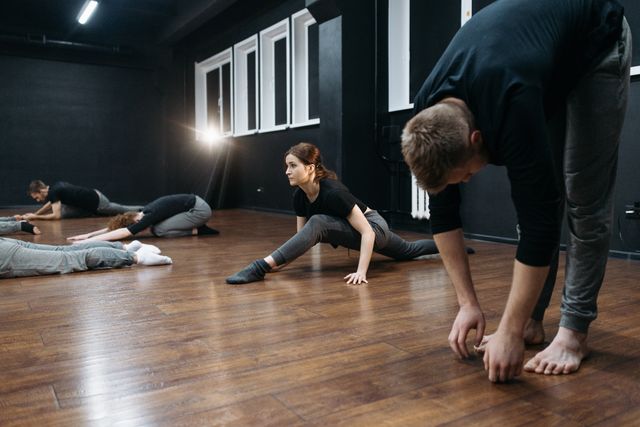
What Happens During a Full Body Stretching Session?
A typical session begins with a conversation about how your body has been feeling, what activities you do regularly, and what you hope to improve. Rather than using the same routine for everyone, the stretch therapist selects movements that address your specific limitations.
Throughout the session, stretches are performed slowly and deliberately. You should feel a gentle stretch, not sharp pain. Communication is important because the therapist adjusts intensity based on your feedback and your body’s response.
A full body session often includes work for the hips, hamstrings, glutes, lower back, shoulders, chest, neck, and calves. The experience is generally relaxing, and many clients report feeling lighter, looser, and more mobile afterward.
How Often Should You Schedule Stretching Sessions?
The ideal frequency depends on your goals. Someone preparing for a sports season may benefit from more frequent sessions, while another person may only need occasional maintenance visits. Consistency is usually more important than intensity. Regular stretching over time tends to produce better results than sporadic deep stretching sessions.
Your stretch therapist can help create a schedule that fits your lifestyle, whether your priority is flexibility improvement, recovery, or general wellness.
Why StretchPlex Focuses on Personalized Stretch Therapy
At StretchPlex, assisted stretching is never treated as a one-size-fits-all service. Every session is designed around the individual, taking into account movement limitations, daily habits, and personal goals. Whether you want to improve flexibility, recover from muscle tightness, or simply move with greater ease, the focus remains on safe, controlled, and effective stretching.
The goal is not to force your body into extreme positions. It is to help you build sustainable mobility that supports the activities you enjoy most.
The Long-Term Value of Full Body Stretching
Flexibility is often viewed as something that only matters for fitness, but its impact extends far beyond the gym. Better mobility can make everyday tasks feel easier, support healthier movement patterns, and help you stay active as the years go by.
Working with a stretch therapist provides structure, guidance, and personalization that many people struggle to achieve on their own. When combined with regular movement and healthy daily habits, full body stretching becomes an investment in how your body feels and functions over the long term.
Conclusion
If stiffness, tight muscles, or limited mobility have become part of your daily routine, professional assisted stretching may be worth considering. A stretch therapist can help identify the areas that need attention and create a personalized approach that supports better movement, flexibility, and overall comfort.
The most effective stretching isn’t always the deepest stretch—it’s the stretch that helps your body move better tomorrow than it does today.