Ear Plastic Surgery Secrets: What Surgeons Won’t Tell You!
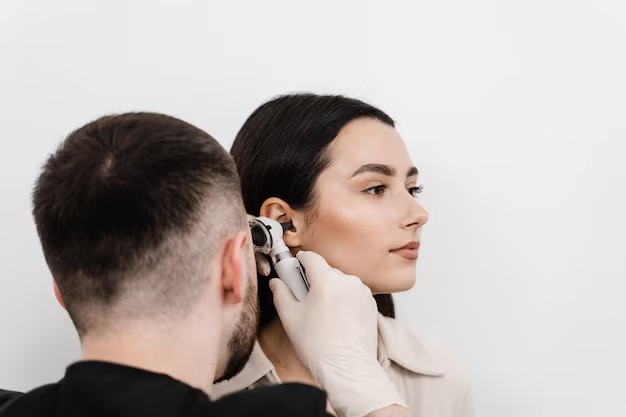
Ear plastic surgery, also known as otoplasty surgery, is a cosmetic procedure that reshapes, repositions, or resizes the ears. While many people turn to it for aesthetic reasons, there’s more to the process than what meets the eye—or what most surgeons openly discuss. This blog dives into the lesser-known truths and behind-the-scenes realities of ear plastic surgery that often go unspoken.
What Is Otoplasty Surgery Really Like?
Otoplasty is most commonly performed to correct prominent ears, reduce the size of large ears, or fix asymmetry caused by genetics or trauma. The procedure is typically done under local anesthesia for adults or general anesthesia for children. It usually takes 1 to 2 hours, depending on the complexity.
What most people don’t know is that the experience of otoplasty goes beyond the surgical table. It includes mental preparation, recovery expectations, and emotional changes—areas that are rarely discussed in initial consultations.
The Emotional Side of Ear Surgery
Surgeons often focus on the physical benefits of ear plastic surgery, such as symmetry and improved appearance. However, the emotional transformation can be just as significant. Many patients report a boost in confidence and self-image after surgery—but it’s not always an instant fix.

What surgeons might not tell you:
- You may feel anxious or second-guess your decision right after the procedure.
- Emotional healing takes time. Even if your ears look better immediately, your self-perception might lag.
- For some, the expectations may not match the results, especially if perfection was anticipated.
Managing your emotions and maintaining realistic expectations are key parts of the process, yet these factors are rarely emphasized before surgery.
The Truth About Recovery and Scarring
You might be told that recovery is quick and easy, but there’s more nuance to it. While the physical healing of otoplasty surgery is often straightforward, some surprises can happen along the way:
- Scars are real, even if they’re behind the ears and not easily visible. Surgeons may say they fade with time—and they usually do—but they don’t vanish completely.
- Swelling and redness can last for weeks or even months, depending on your skin type and body’s healing response.
- Sleeping can be uncomfortable for a while. You may be advised to avoid sleeping on your sides, which can be frustrating if you’re a side sleeper.
- Wearing a compression band or headband at night may be necessary for several weeks, which some people find uncomfortable or inconvenient.
These small but impactful realities often aren’t highlighted before surgery. Knowing them can help you feel more in control during the recovery journey.
Surgical Risks That Are Rarely Emphasized
Like any surgery, ear plastic surgery carries risks—but they’re often brushed aside as “minimal.” While the risk of major complications is indeed low, some side effects and issues are worth knowing:
- Overcorrection: Ears can sometimes be pinned back too far, resulting in an unnatural look that may need revision surgery.
- Asymmetry: Achieving perfect symmetry is nearly impossible, and minor differences may remain post-surgery.
- Changes in sensation: Some patients report numbness or tingling around the ears that can last for months.
- Infection and poor wound healing, though rare, can still occur and may require additional medical attention.
These risks aren’t always covered in depth unless specifically asked about, so it’s important to bring them up in your consultation.
Not Just for Kids: Adults Are Quietly Opting In
Otoplasty is commonly associated with children—usually between the ages of 5 and 14. But what many don’t realize is that a growing number of adults are quietly opting for ear plastic surgery.
Adults may seek surgery after years of insecurity, or simply because they want a subtle change that boosts their appearance. In fact, some adults undergo the procedure alongside other cosmetic surgeries to maintain facial balance. Yet this trend is often underplayed in discussions about otoplasty, which still carries a strong association with childhood procedures.
The Cost of Perfection
One hidden truth is that otoplasty surgery may require follow-up adjustments. While a single surgery may provide satisfactory results, some individuals pursue touch-up procedures to fine-tune the shape or positioning of the ears.
These additional steps can increase the overall cost, time, and emotional investment—something rarely addressed in the initial consultation. It’s essential to be aware that cosmetic procedures are rarely “one-and-done.”
Conclusion: Know Before You Go
Otoplasty surgery can be life-changing for the right person—but like any cosmetic procedure, it’s not without its secrets. From emotional shifts and scar realities to underdiscussed risks and long-term maintenance, there’s more to ear plastic surgery than what brochures and before-and-after photos reveal.
If you’re considering this procedure, arm yourself with knowledge. Ask questions, manage expectations, and take the time to understand the full journey—not just the final look. Being informed is your best tool in making a confident and empowered decision.